
Our VENT Birds and Art in Tuscany tour will run again in April 2017, starting in Florence and ending in Rome. The approach is similar to that we’ve been taking for years now in Provence, Catalonia, and Germnay: birds provide the focus for the itinerary, but the experience is in getting to know a whole landscape, its history, its culture, and above all its art.
My co-leader Marco Valtriani and I spent a few days after my Provence tour scouting our route. It promises to be a good one, starting in the dramatically beautiful Apennines and Apuan Alpsarchaeological ending up in the archaeological and natural riches of southern Etruria. Some images from some of the localities we’ll be exploring:
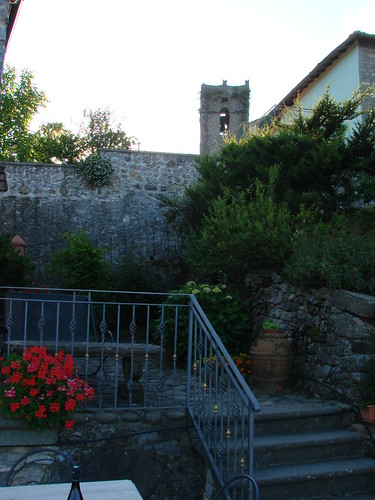
The tiny village of Branuccio, high in the Apennines.
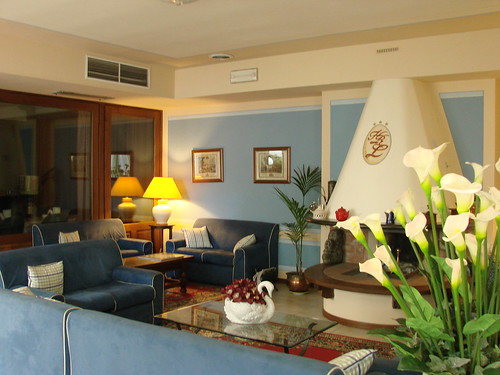
The lobby of our hotel in Castelnuovo, tucked into the Garfagnana between the mountain ranges and along the Serchio, where Gray Wagtails flit beneath the city’s many bridges.
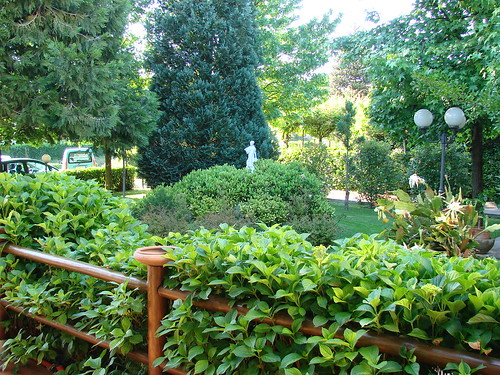
The garden, as seen from the pool of our Castelnuovo hotel.

The Apuan Alps–wow.

The ceiling of the renowned church of Codiponte–and one of the proto-Romanesque capitals for which it is so famous:

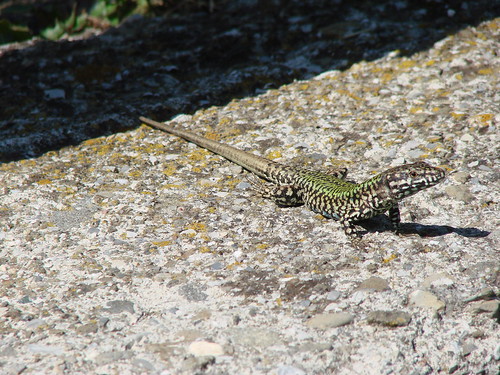
Birders aren’t the only ones who enjoy the bright skies and warm days of Tuscany:
Living up to its name, Common Redstart is an abundant yard bird in Tuscan villages.

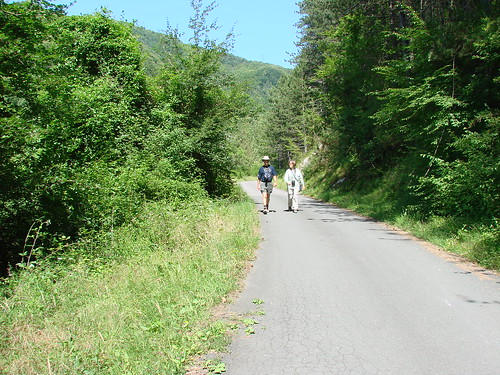
Even in the mountains, our birding is relaxed and easy-paced, on wide, level paths and roads.
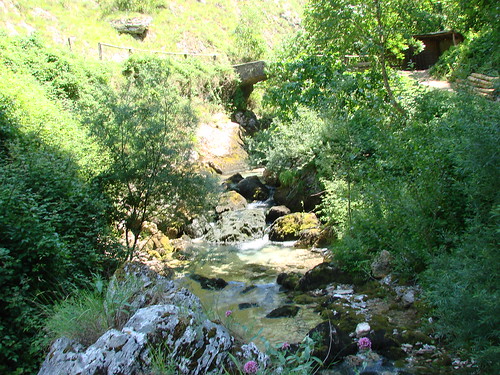
Mountain streams can be good birding; this one, at Equi Therme, produced Crag Martin and White-throated Dipper during our scouting. Three Peregrine Falcons appeared high above as we left, too.
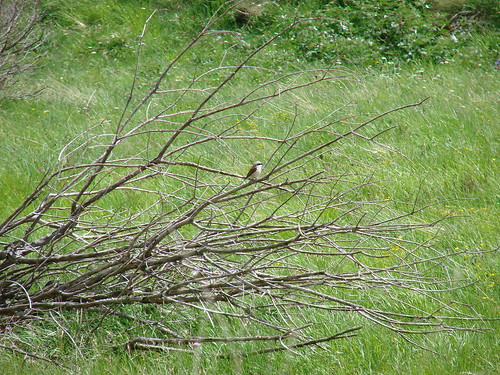
Now rare over much of their former range to the north, Red-backed Shrikes are reliably found in any open habitat. This is the male of a pair that was almost certainly nesting in the denser vegetation in the background.
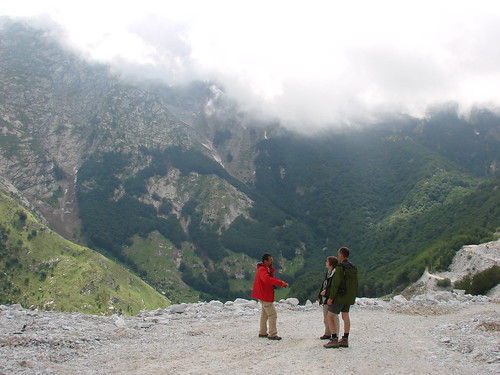
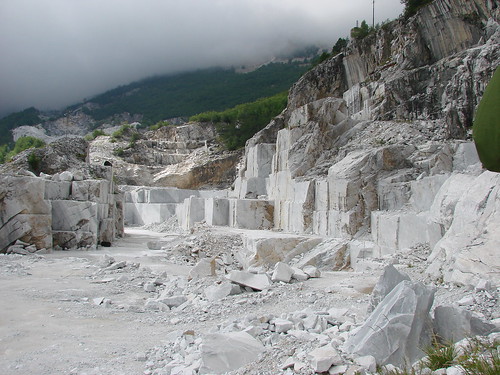
It looks like snow, but it’s bright white marble at the edge of a quarry that’s been worked since antiquity.
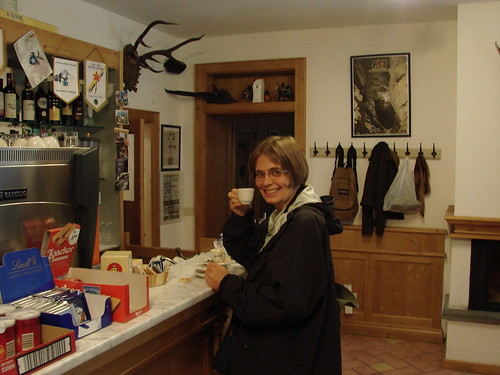
There’s always time for a coffee break on a Birds and Art tour.
We’ll visit the fifteenth-century pilgrim hostel of San Pellegrino (not the source of the water!).
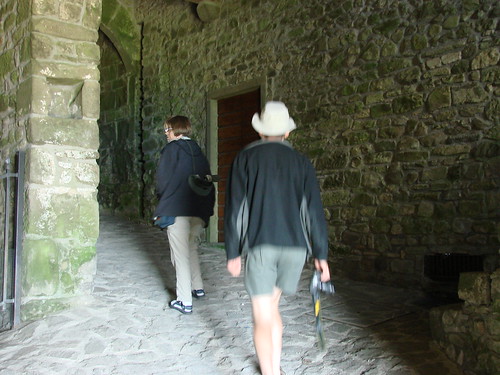
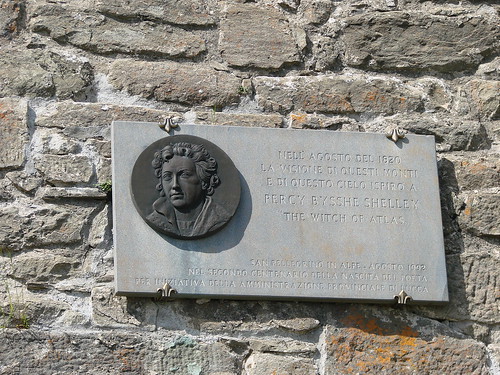
Here as everywhere else in Tuscany, we’ll be following in some pretty illustrious footsteps.
European Bee-eaters abound in coastal areas.

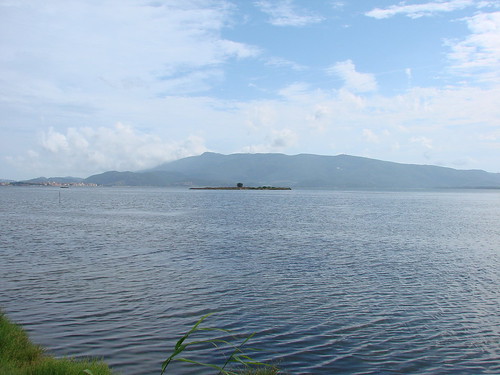
Orbetello Lagoon and the Argentario Promontory are major sites on our itinerary. They’ll both be crawling with migrants in May; on our June visit, notable species here included Common Shelduck, Eurasian Curlew, Stonechat, and Little Tern.
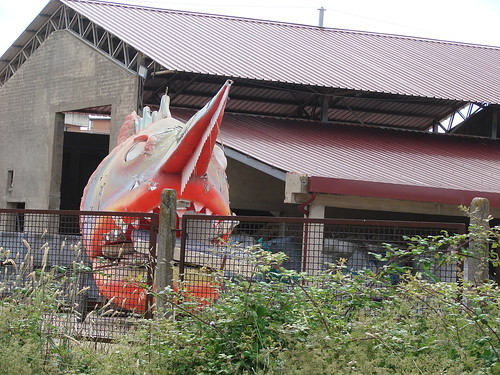
Not all culture is high culture, I suppose. (Anybody else remember the blue whale on the way to Higbee Beach?)
Our hotel near Manciano, where we’ll be spending the last five nights of the tour without the annoyance of packing and repacking, is a remodeled Tuscan estate.

And the views? Not bad.

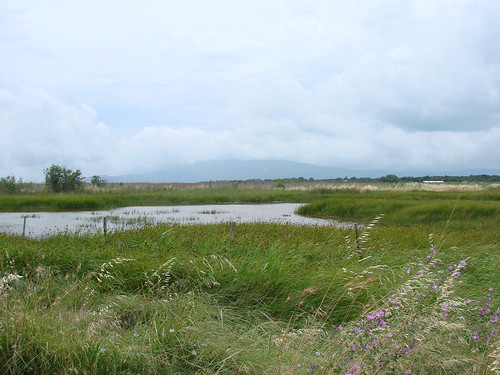
This unassuming little pond just outside Albinia is famous for the rarities that have occurred there.
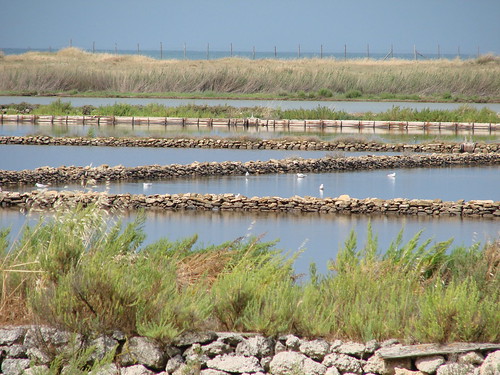
But on this visit we found the birding better at the old salt pans in Tarquinia. Those white dots are Slender-billed Gulls.
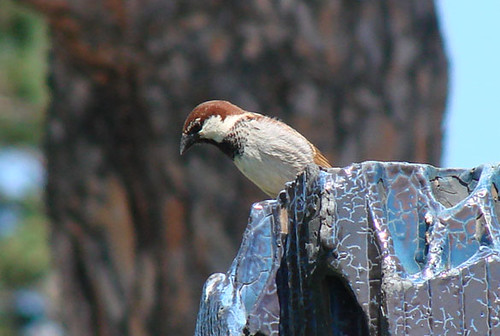
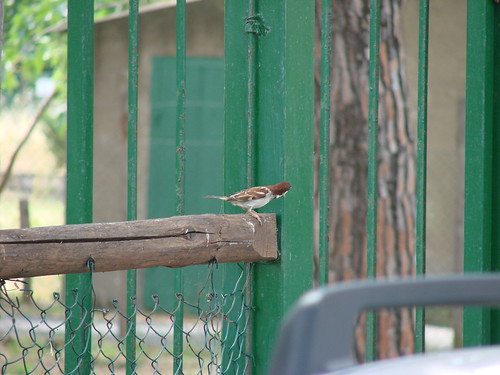
Italian Sparrows are pretty obliging, especially this male, tilting his head to show us his diagnostic crown pattern.
We’ll be eating very well indeed, both in restaurants and on a lavish picnic or two featuring local delicacies.

I hope you’ll join us next year. We’re going to have a great time.