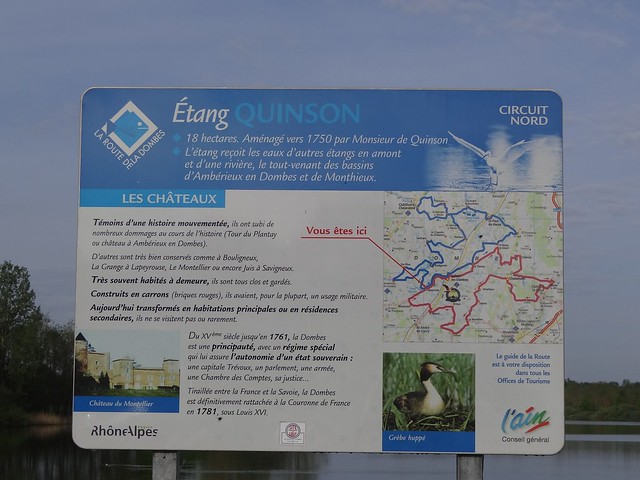
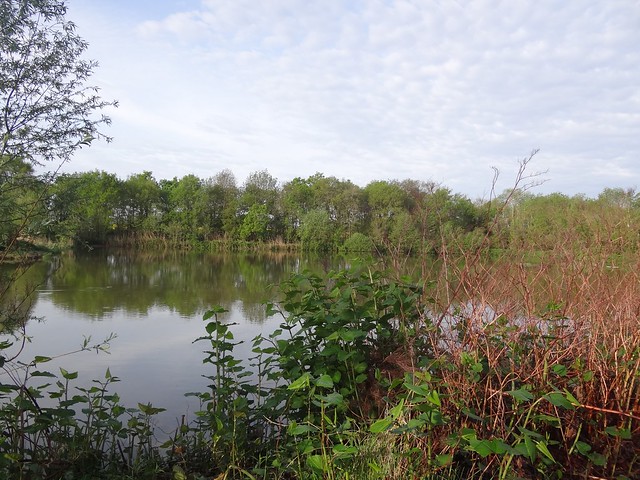
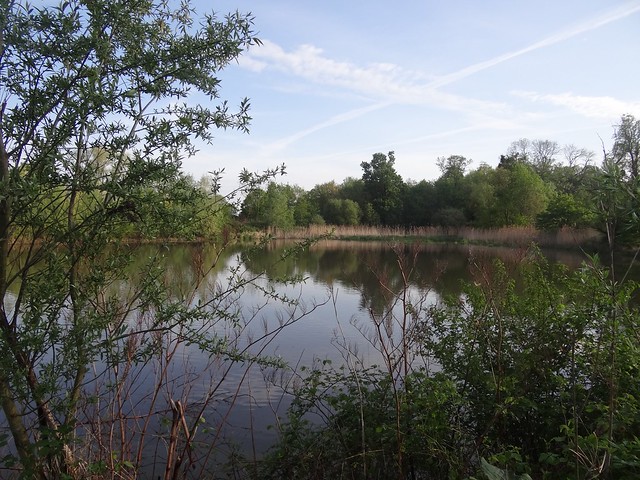
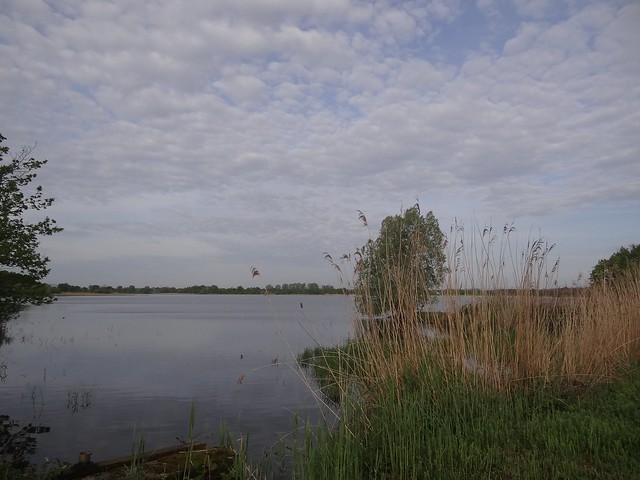
The best strategy for birding some areas is just to go out and get lost. La Dombes is a vast, diffuse tract of pasture, woodland, and wetlands just off the main road from Lyon to Burgundy — and one of the best places I know to just wander, letting the quiet roads and the abundant birds lead from one placid lake to the next.
In truth, it isn’t as confusing as it used to be: nowadays there’s even a telephone “app” that promises to take you from one pond to the next. Even so, there are more than a thousand lakes dotting the quiet countryside (take that, Minnesota!), and because many are still used by commercial fisheries, the amount of water, fish, and of course birds in each varies from year to year.
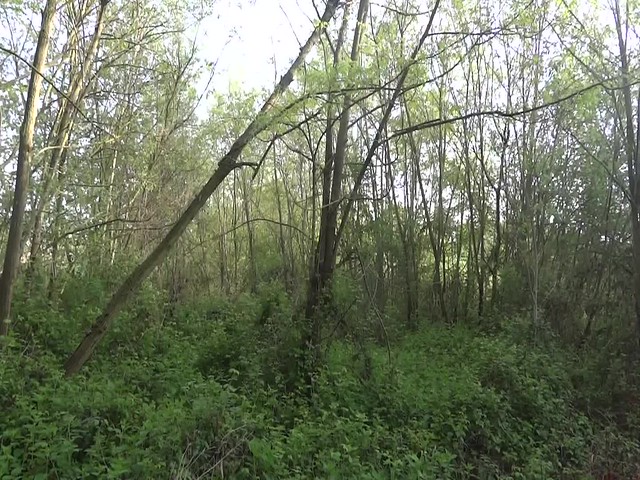
It’s a quiet, sparsely populated landscape, though, and nobody minds if you simply wander from one to the next, stopping at a wide spot to listen and scan. On my latest visit, I found the ponds of the Dombes as lively as ever, and their wooded edges as noisy.
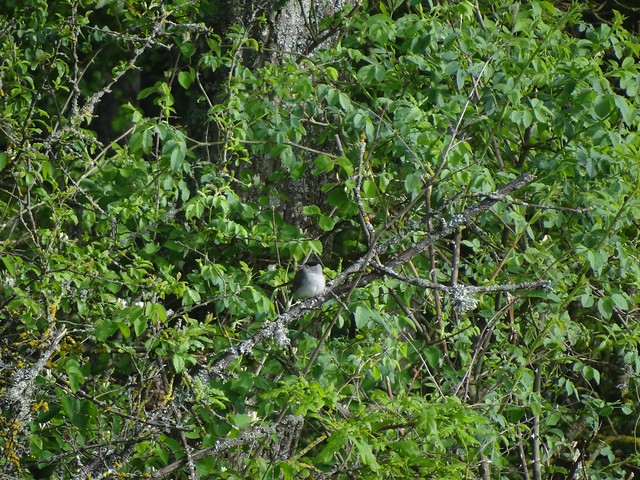
Blackcaps and nightingales were shouting from every thicket, as if in competition (the winner? blackcaps, hands down). Golden orioles were back in force, singing their gulping whistles in the poplar canopy and flashing back and forth across the roads; once again I was reminded of how much that species looks and sounds like an oropendola.
And everywhere, everywhere, the exuberant trills of the Eurasian wren.
Click to listen
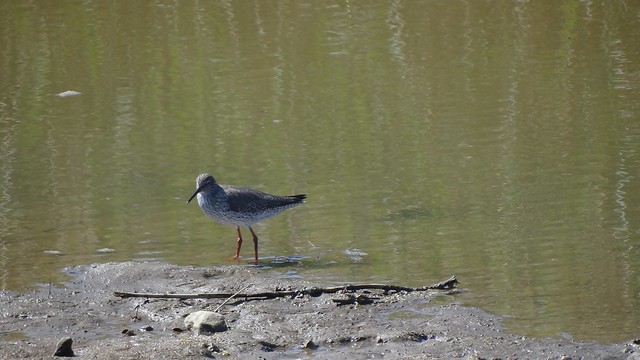
Out on the water, often feeding just a few feet from the road, were all the expected herons, including somber black-crowned night herons and snaky purple herons, and a few shorebirds haunted the muddy edges. Common greenshanks and wood sandpipers were the most abundant, but there were also ruffs, green sandpipers, a surprising whimbrel, spotted redshanks, and a few brash and beautiful common redshanks.
Ducks were scarcer, many of the hens probably already on eggs, the drakes with better things to do than be gawked at; but still there were good numbers of red-crested pochards and garganeys.
As the morning warmed, the aerial insectivores came out to play: plenty of barn swallows, house martins, and sand martins, with a few arriving common swifts. Bee-eaters, also most likely just coming in, announced themselves with their uncouth buzzes, and whiskered terns, a true Dombes specialty, we had with us always.
As always, it was hard to tear myself away. But Burgundy awaited, land of stone curlews and ancient monasteries, medieval palaces and woodchat shrikes. Onward!
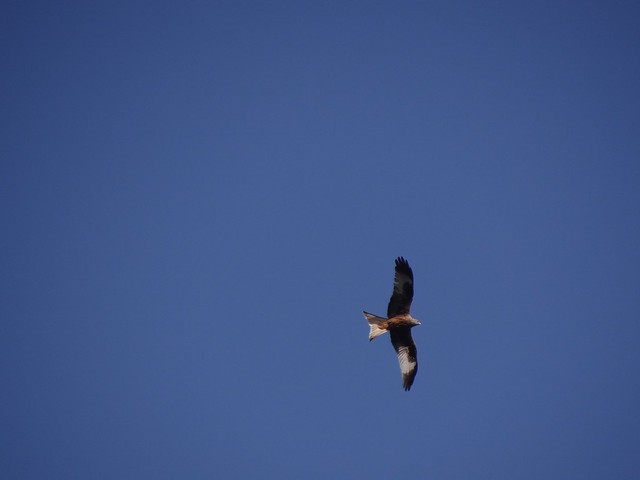
One of the great things about eastern Germany has always been the red kites, huge, floppy, swallow-tailed raptors seen in just about any open area of the countryside.
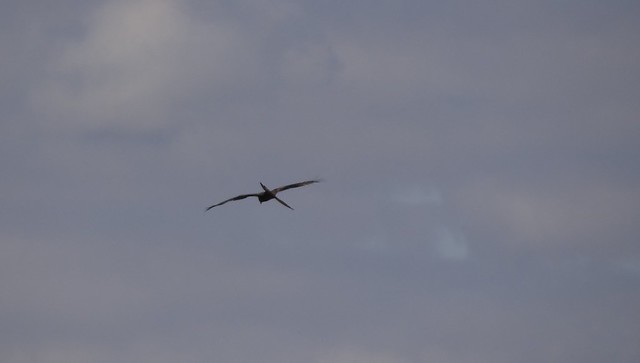
These carrion-eaters don’t need to be quite as nimble as some of their smaller, more ambitious relatives, but they are still impressively maneuverable in the air, twisting and turning as they pass by at often remarkably close range.
As this bird revealed the other day, it’s all in how they use that long, deep-forked tail.
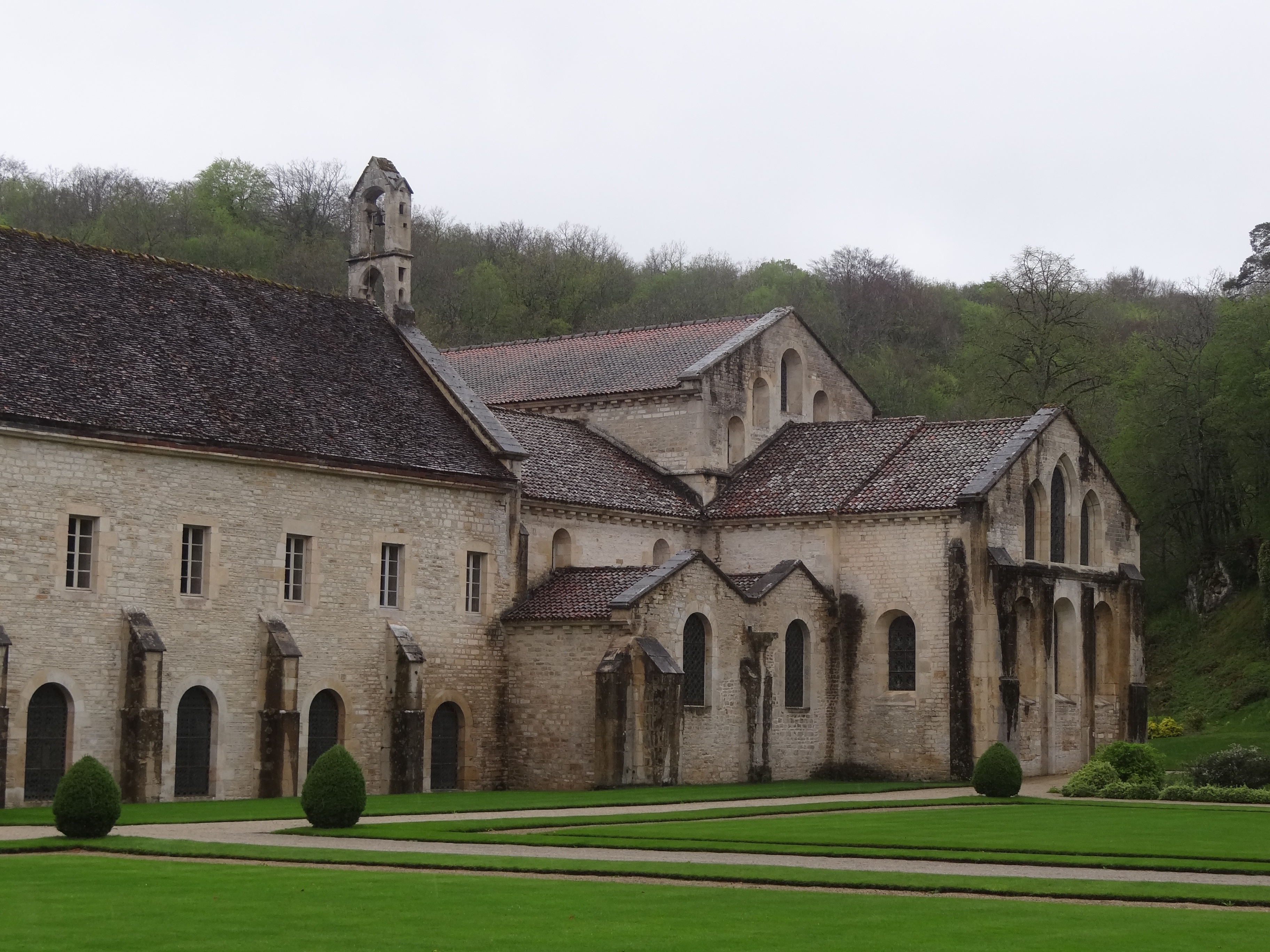
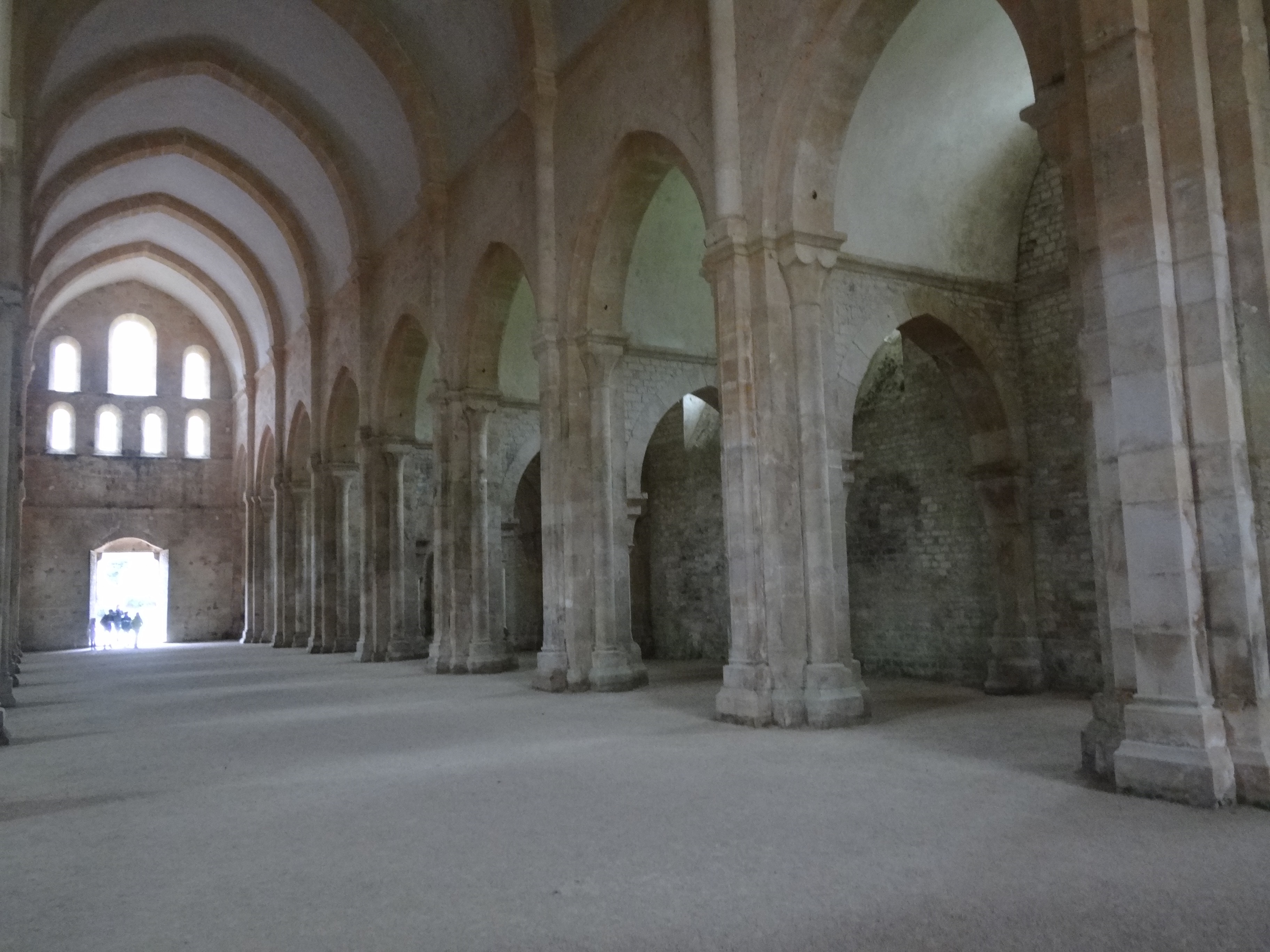
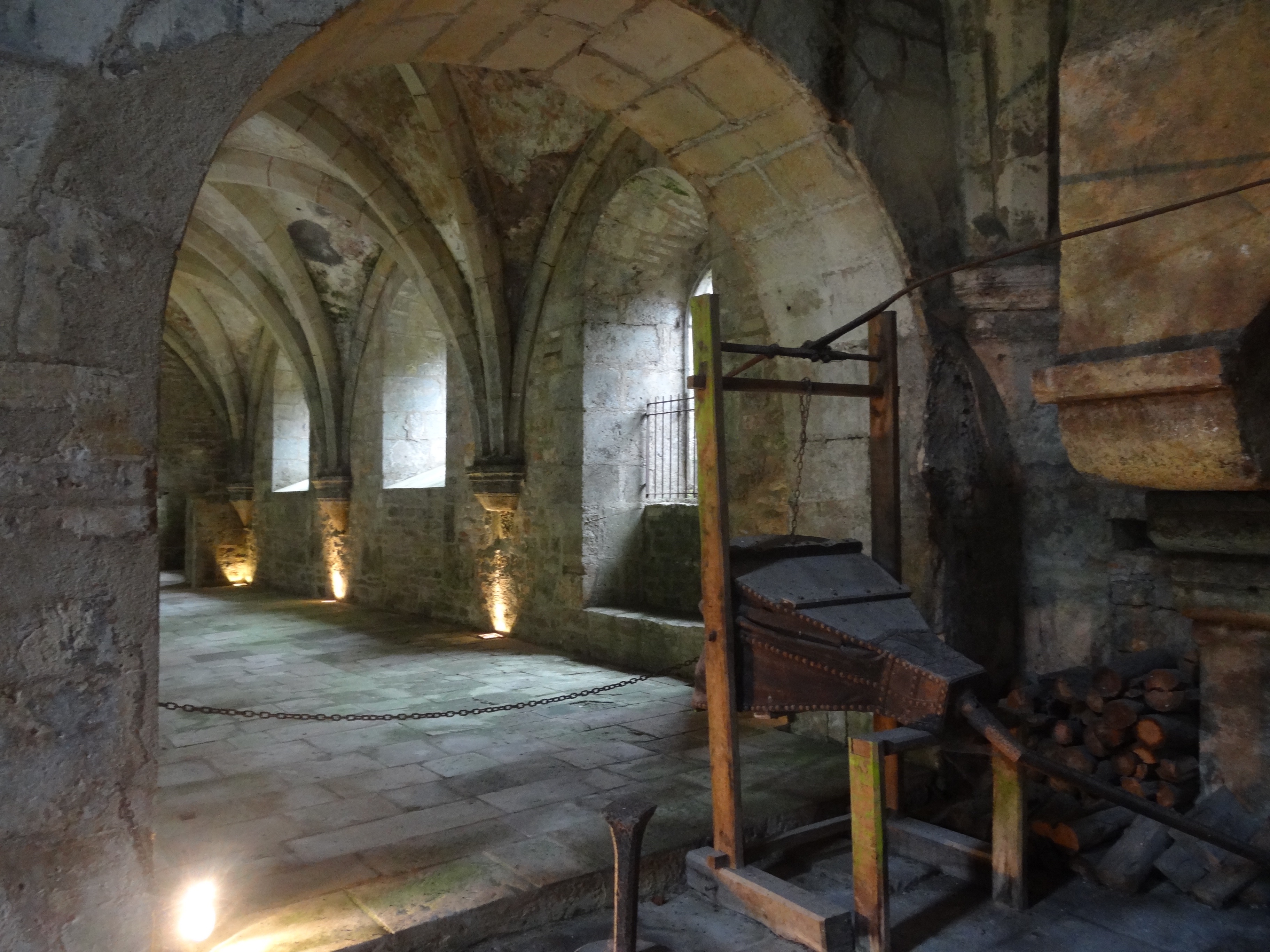
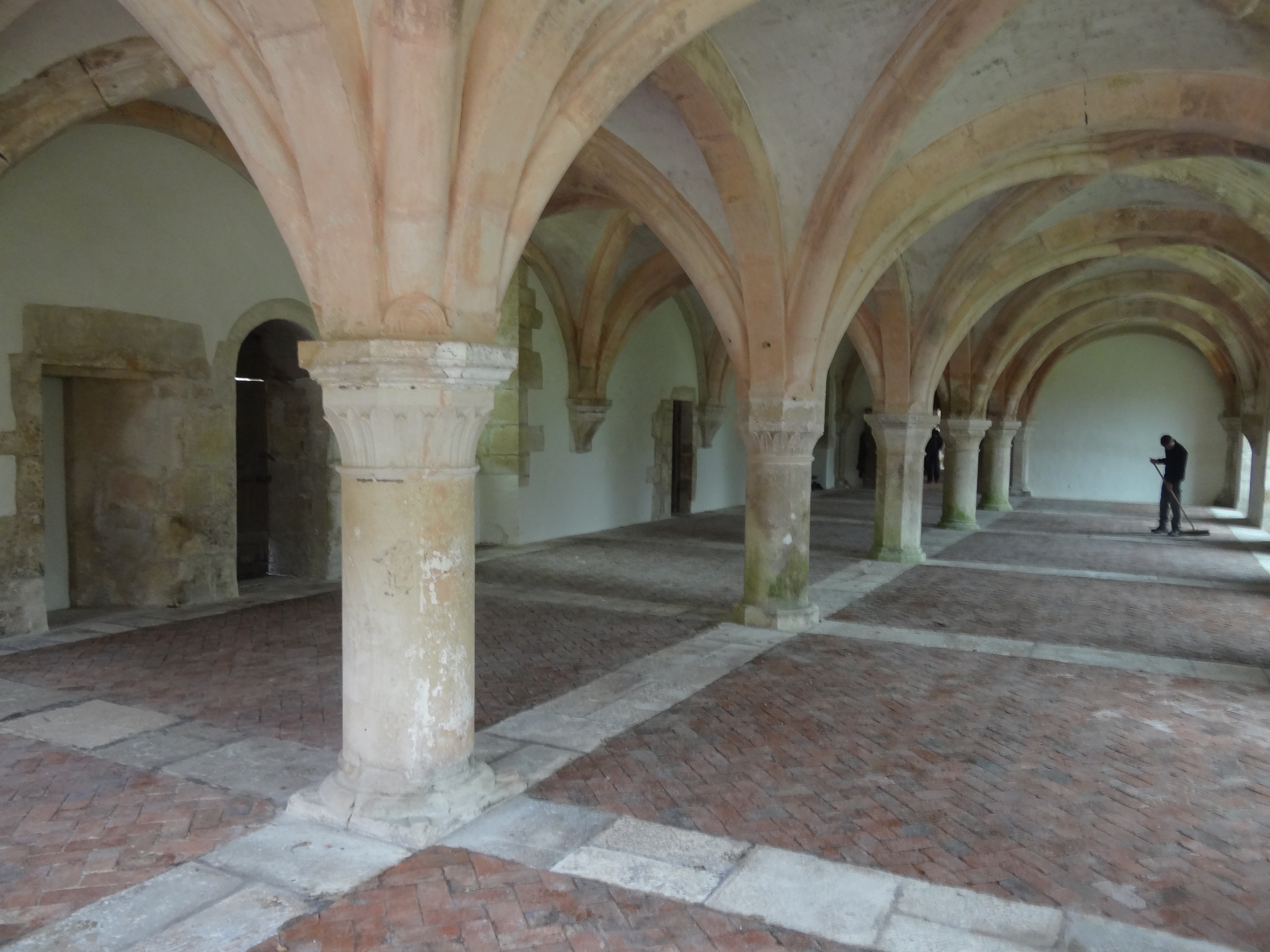
The monastery of Fontenay, in northern Burgundy, owes its fame to the reforming zeal of its twelfth-century founder, Saint Bernard, and to the sublime starkness of the abbey church’s Romanesque architecture.
What few visitors notice, though, is how the medieval monks’ landscaping efforts contribute to the birdiness of the place today.
The forests the monks so carefully maintained to provide fuel for their forge and the canals and reedy ponds they dug to supply the kitchens with fish are home to a full suite of central France’s migrant and breeding songbirds.
Aleksey Karpenko
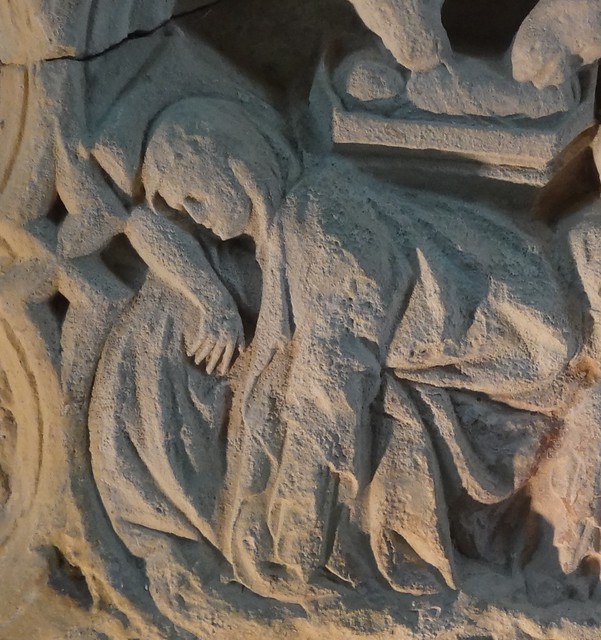
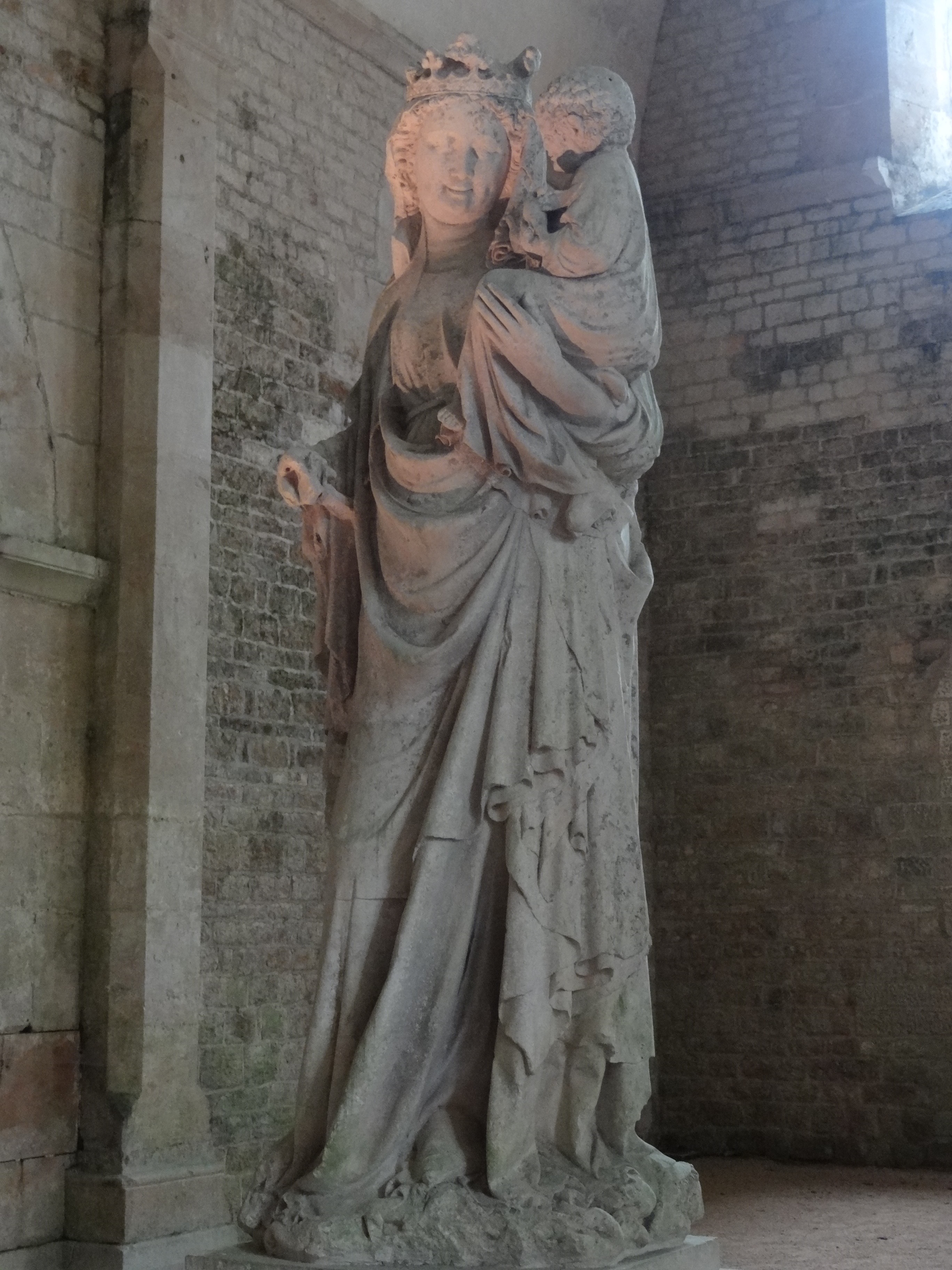
But the birds aren’t just outside. One of the few ornamental elements of the church is a thirteenth-century statue of the Virgin Mary and Christ Child, of the type known—fittingly enough in this case—as “beautiful Madonnas.”
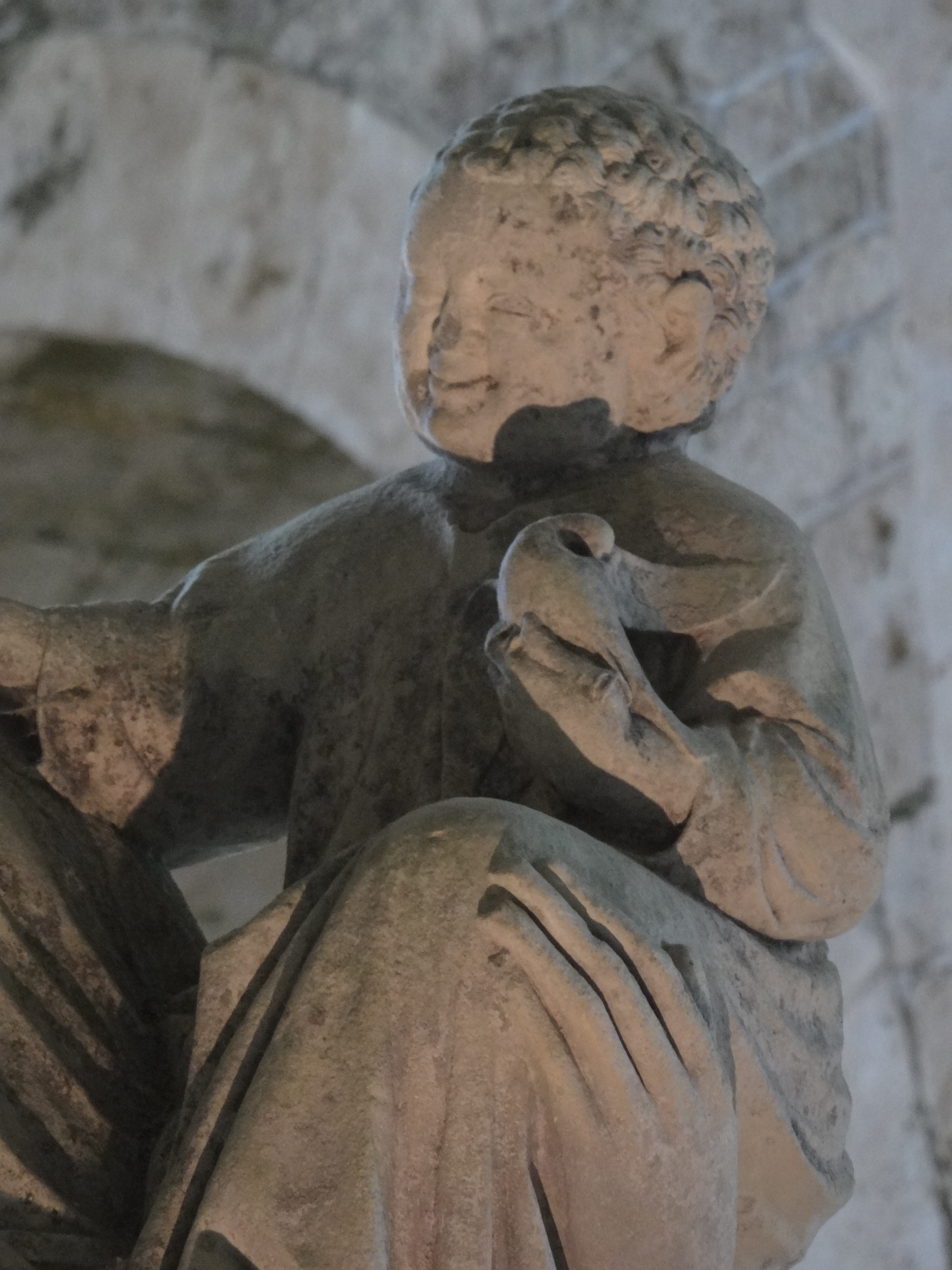
Some visitors might walk right past it, pausing perhaps to admire the sweetness of the Virgin’s girlish face and the elegant curve of her torso; but a closer look reveals that the smiling Christ Child in her arms holds a live bird.
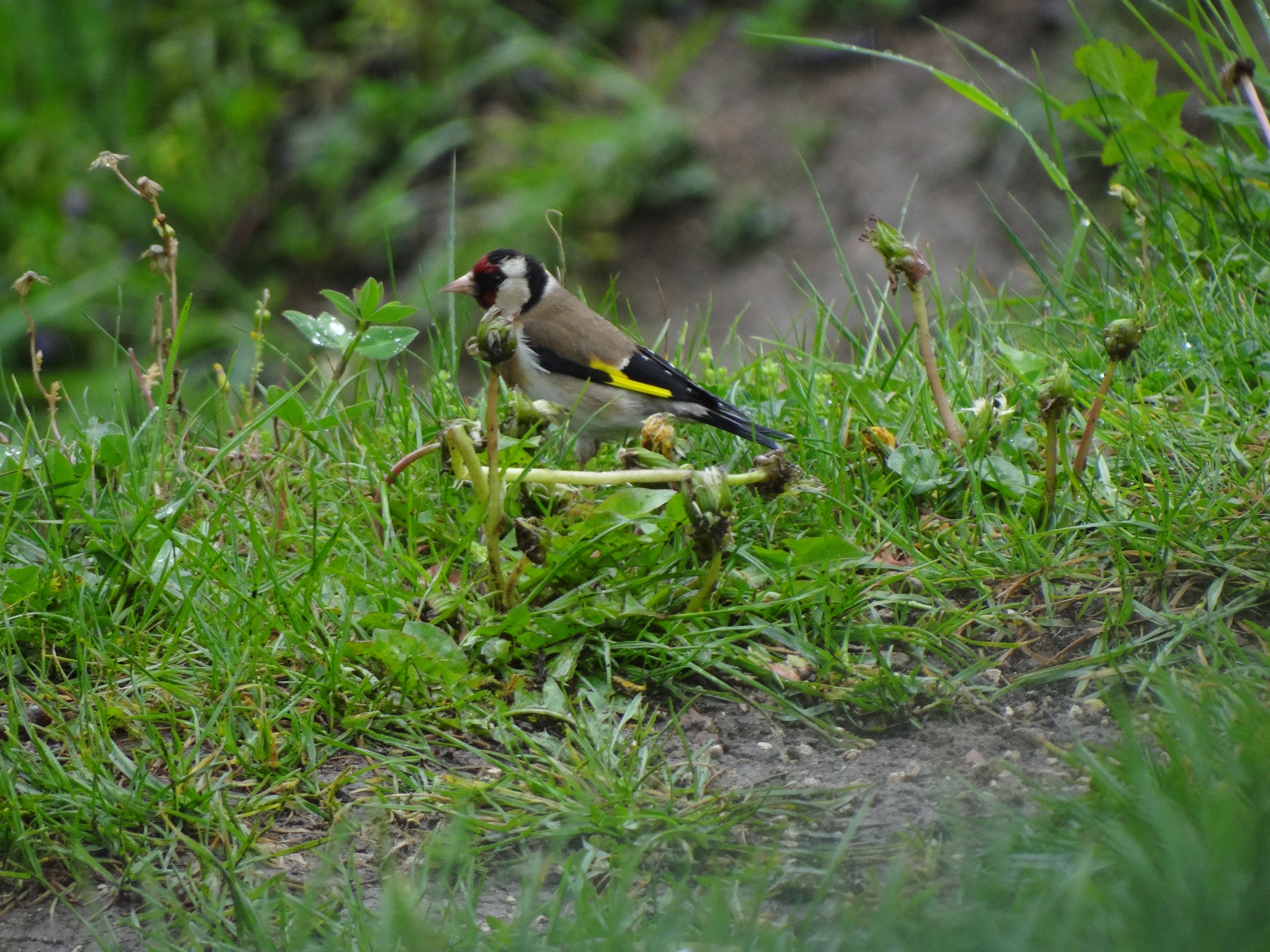
Stylized in form, and with no colorful plumage visible, the little bird is nevertheless identifiable: the Child’s pet can only be a European goldfinch. As the Smithsonian ornithologist Herbert Friedmann showed, that species served artists throughout the Middle Ages and Renaissance as a symbol of the suffering and death to come.
The stone goldfinch is just like the feathered ones the twelfth-century monks would have seen flitting around the borders of the cloister garden, and it is just like the goldfinches we watch today on the woodland edges and flower-strewn lawns of Fontenay.
Here in Burgundy, and in so many other ancient places around the world, birds, art, and history come together to form a landscape that is far more than the sum of its separate parts. All it takes is the eye to see it.
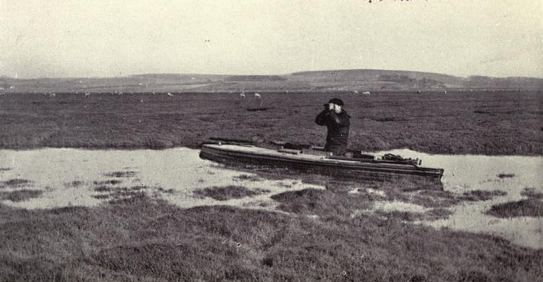
Thomas William Evans of Cheshire was a sailor by trade, but his happiest hours were spent in search of waterfowl on the estuary of the River Dee. A great hunter and “puntsman,” he also — like so many British “working-man naturalists” — made himself invaluable to the ornithologists of the day, in his case providing specimens and dates for Coward and Oldham’s Vertebrate Fauna of Cheshire and Liverpool Bay.
Evans died 100 years ago today, having signed on three weeks earlier as helmsman and quartermaster of the Lusitania.