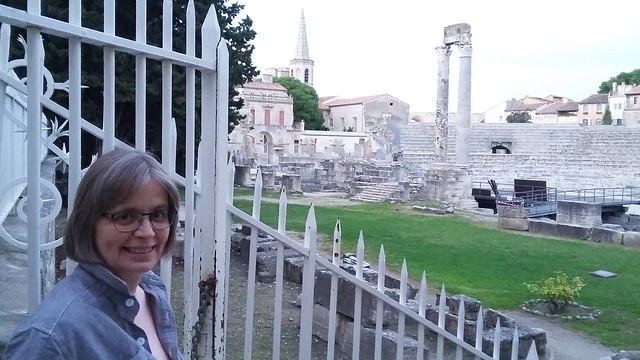
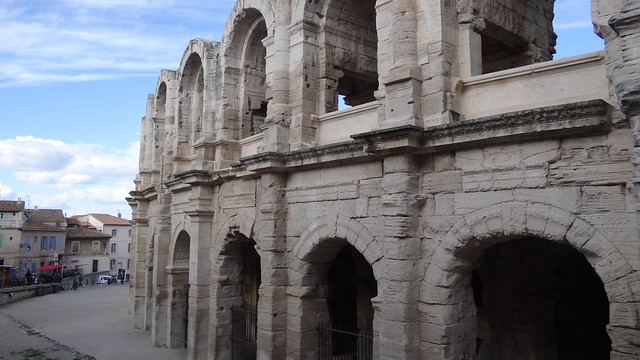
The most striking thing about Provence is the ubiquity of the past. Here an ancient farmhouse, there a medieval castle, and everywhere the remnants of imperial Rome, from great arenas and amphitheaters to equally imposing aqueducts and monuments.
The most impressive of them all are the structures known as Les Antiques, a first-century BC mausoleum and a first-century AD triumphal arch that marked the northern entrance to the fortified provincial city of Glanum.
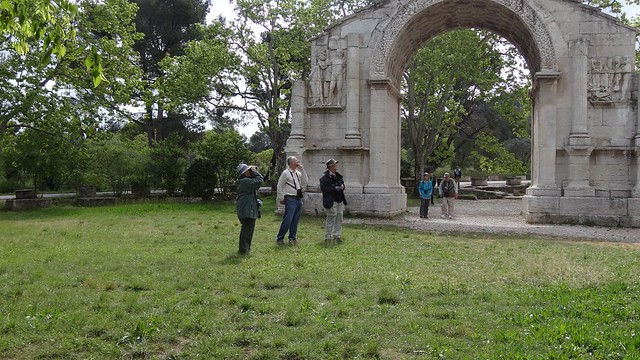
Every itinerary through southern France includes this famous site, but birders like us experience it differently—better—than other tourists. On our most recent visit, a short-toed treecreeper sang and crept on truncated digits through the surrounding woods, while Eurasian blackbirds and common nightingales serenaded us from nearby. But the ultimate interruption to our discussion of life in a Roman oppidum was provided by a European roller, flashing past the 2000-year-old structures like an even bluer piece of the Provençal sky.

And so it was everywhere on our latest tour of Mediterranean France: European robins and crested tits on the grounds of the hospital that housed van Gogh, pallid swifts over the Romanesque tower of St-Trophime, blue rock thrushes and alpine swifts on the starkly romantic ruins of medieval Les Baux. This truly is a landscape where nature and culture, birds and history and art and architecture, are inseparable.
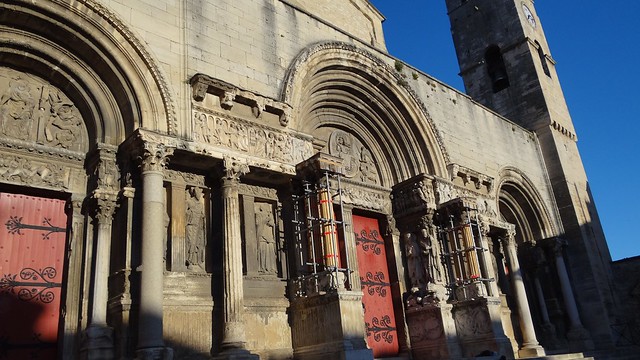
On our first full day together, we took full advantage of that rich mix, exploring the marshes and reedbeds of the Petite Camargue before visiting one of the most famous churches in France in nearby St-Gilles.
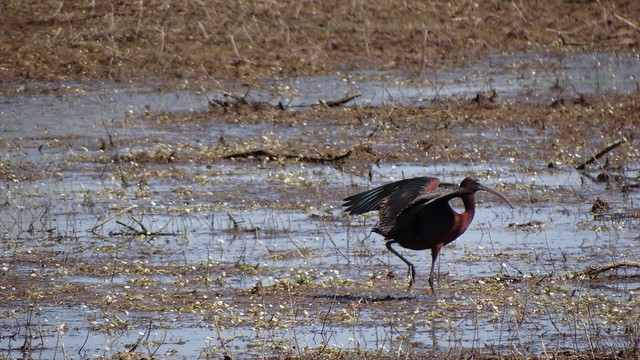
The road to the Camargue was lined with newly arrived hoopoes, and a wide range of herons and other waders—including the no-longer-quite-so-scarce glossy ibis—were conspicuous in the marshes.
Our first greater flamingos and Eurasian spoonbills competed for our attention with whiskered terns and pied avocets, and the first common kingfisher of the tour was good for a few oohs and aahs.

For most of our time together, the weather was classically Mediterranean: warm, bright, and dry, with just a hint of the notorious and exhilarating winds of springtime Provence. On our second morning, however, we woke to drizzle and clouds, and decided to flip our itinerary to concentrate, appropriately enough, on waterbirds.
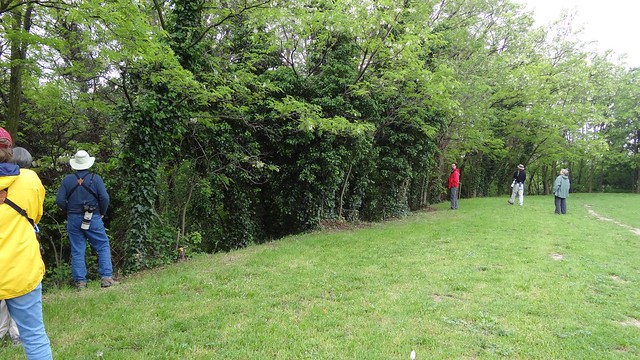
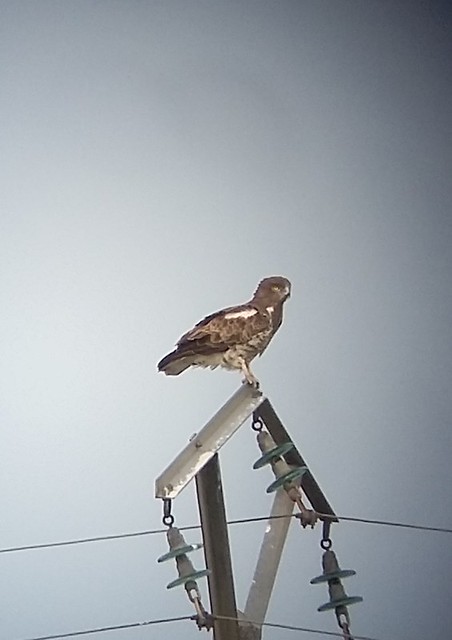
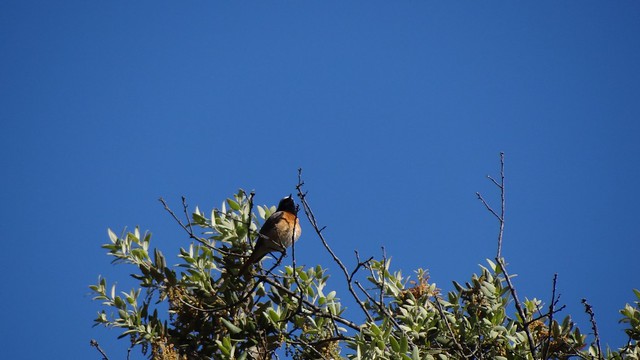
First, though, we birded the grounds of the Museum of Classical Arles, where unseen nightingales taunted us and migrant pied flycatchers played in the trees. The skies brightened quickly, and a short-toed eagle overhead was just the first of that dramatic species we would see; common redstart, chiffchaff, and white wagtail joined our passerine list.
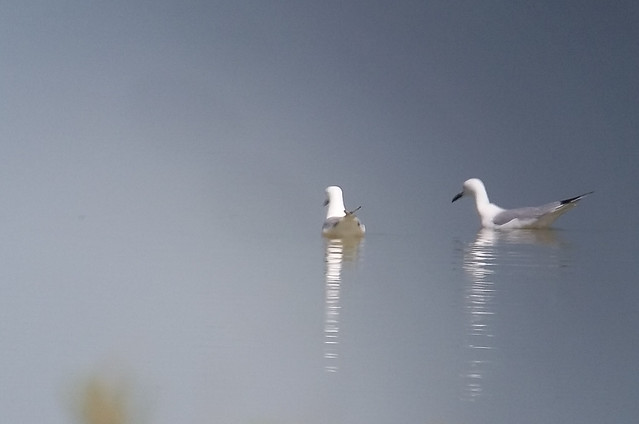
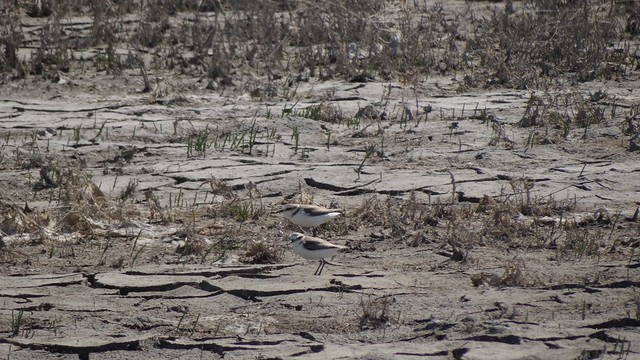
The road to Les Stes-Maries de la Mer was as birdy as ever, with waterfowl, herons, and shorebirds at every stop; little stints gave good studies, but the stars of the wader show were undoubtedly the Kentish plovers, common but captivating out on the salicornia flats.
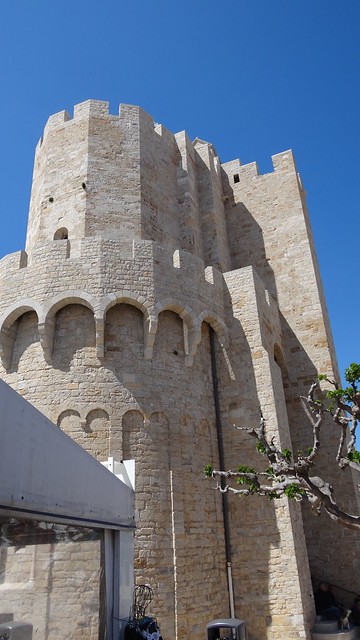
After lunch in Stes-Maries, we walked (carefully!) across the pétanque fields to the massive church.
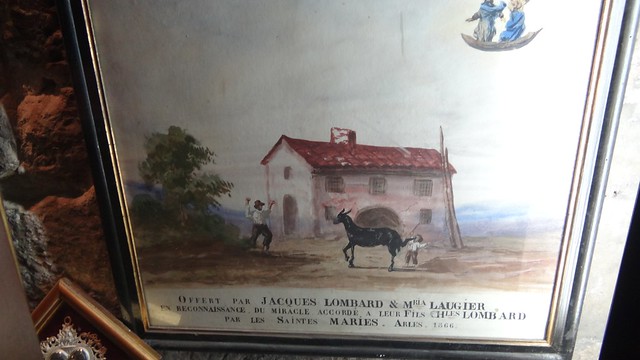
Centuries of votive offerings left for the city’s eponymous saints paint (literally, in many cases) a history of superstition and spirituality in the upper church,
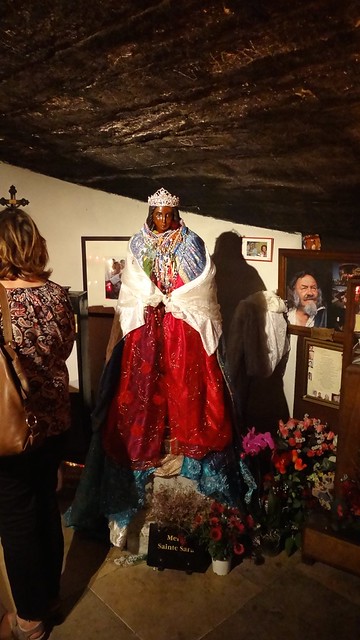
while the crypt was as always ablaze with candles lit for the apocryphal St. Sarah, patroness of the Roma who gather in Stes-Maries each May.
The weather was back to its usual beautiful self next morning, and we set off for the breathtaking ruins of Les Baux, set high in the rugged Alpilles north of Arles.
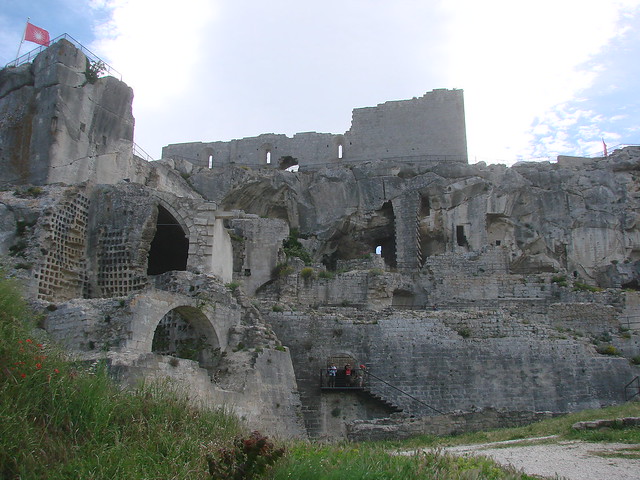
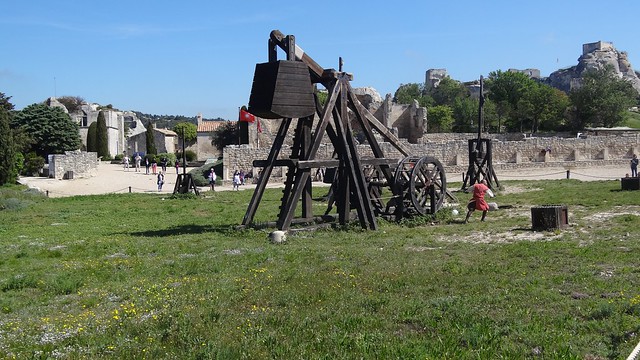
Blue rock thrush, sometimes tough to find among the countless crevices where they hide, gave good views, and alpine swifts and crag martins flashed past us, above us, often below us, on the way to and from their nest sites in the cliffs. The martins, sturdy brown swallows attractive in their very plainness, were still building, and several paused to collect mud and straw from the rocks right at our feet—while just a few yards away, schoolchildren squealed in delight over the demonstrations of medieval siege engines.
We had lunch at the Porte Mages in Les Baux, then returned to Arles for some time off on a beautiful afternoon.
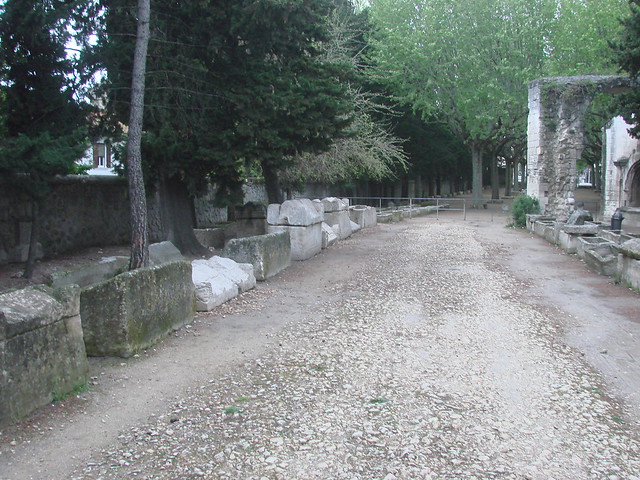
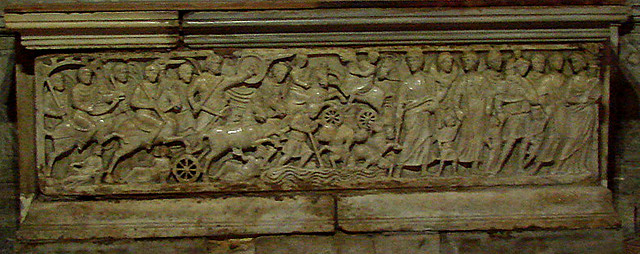
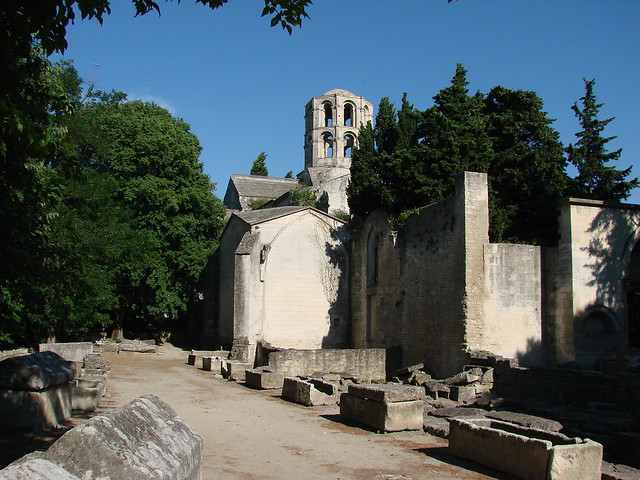
A few hours later, we assembled to walk the few blocks to the Alyscamps, the late antique and early Christian cemetery that is still, more than 2000 years after its founding, one of the most atmospheric sites in Arles. We wandered past the long rows of sarcophagi—memorably painted by van Gogh—to the ruins of St-Honorat, the largest and best-preserved of the numerous churches built there in the Middle Ages; most famous for its squat Romanesque tower, St-Honorat is a veritable anthology of architectural styles, with chapels added in the Gothic, Renaissance, and baroque periods, several of them ornamented with particularly well-carved sarcophagi from the necropolis outside.
With two vehicles at our disposal this year, we decided to bird the desert-like steppes of La Crau in two shifts.
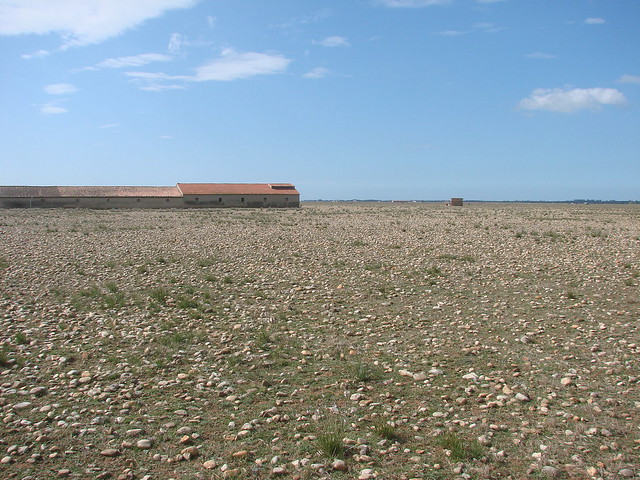
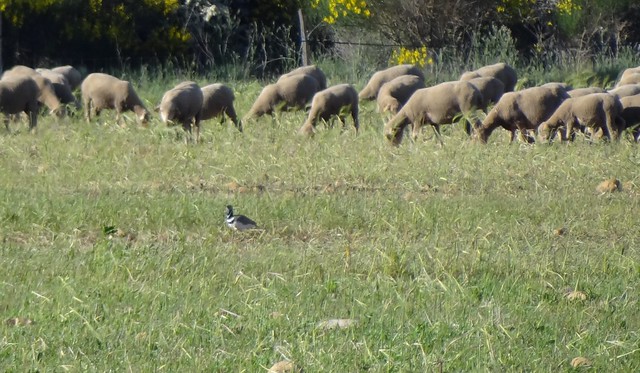
One group started at 5:30 the next morning, early enough to have great views of such specialties as little bustard, stone-curlew, golden oriole, and whinchat; the rest enjoyed a leisurely breakfast in Arles, then joined up with the earlier risers to walk out to the lesser kestrel apartments in the old stone well of Peau de Meau, where a good fifteen birds could be watched at close range as they fed on the ground and low in the air.
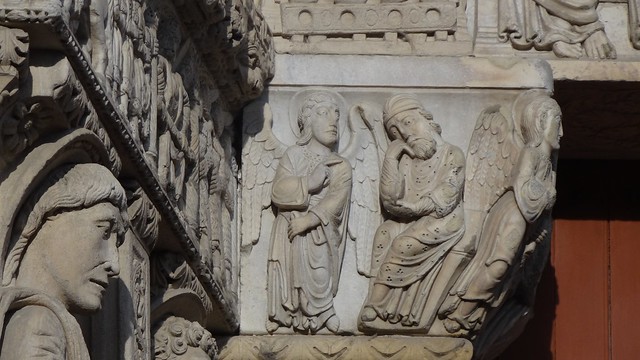
We followed our traditional lunch in St-Martin with an exploration of the cloister of St-Trophime, whose Romanesque capitals rank among the very finest examples of medieval sculpture in the world. Years of careful restoration have left many of these famous carvings in better condition than they have been in centuries.
Nothing is more typically Provençal than contrast, and it was a contrast indeed to bird the next morning in the high-elevation pine forests of La Caume.
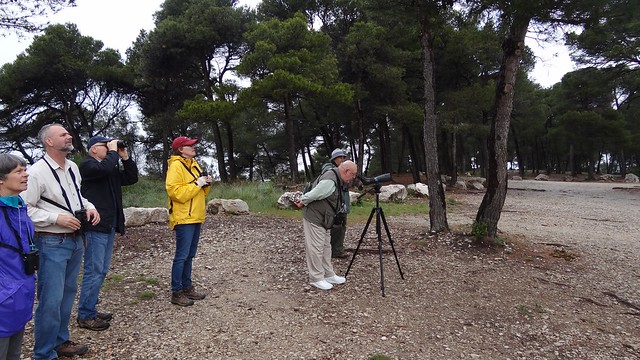
Common chaffinches, European goldfinches, and a typically sneaky subalpine warbler sang at us through the foggy morning before we continued down the other side of the Alpilles towards St-Rémy.
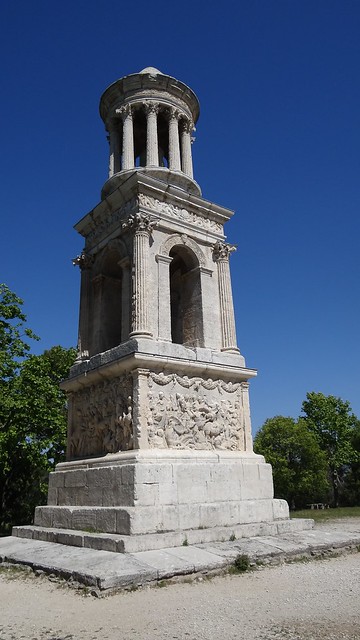
Les Antiques—the mausoleum and arch at Glanum—were good birding and good architecture, and then we crossed the road to St-Paul, the mental hospital (itself built around a handsome twelfth-century church) that housed Vincent van Gogh for a year before his early death.
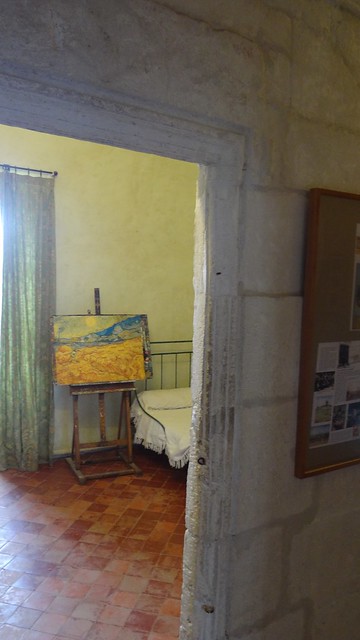
Even here, amid the sober reminders of sad history and glorious and difficult art, we found birds.

A European robin trilled and burped on the heavily shaded entry walk, and our primary target was attained when we discovered an adult crested tit in attendance on a freshly fledged and very noisy juvenile.

After lunch in the charming little town of St-Rémy, we explored the Renaissance square and returned to Arles.
The sea and the shore called again the next morning, but not before we had paid a leisurely visit to the riot of colors and smells and tastes that is the Saturday market in Arles.
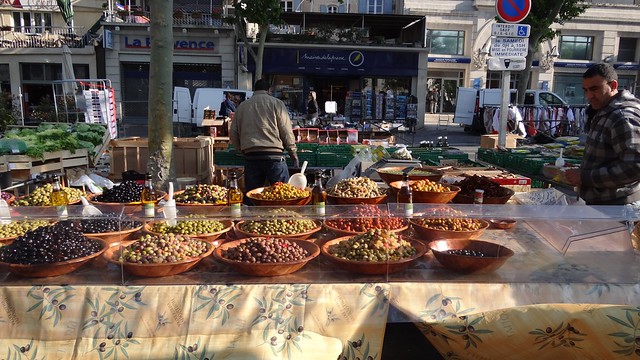
With our picnic basket well packed, we set off on a dazzlingly bright morning to the eastern Camargue. A perched hobby and a visible (at long last!) common cuckoo were among the highlights; one especially productive stop turned up a woodchat shrike and a flock of newly arrived bee-eaters.
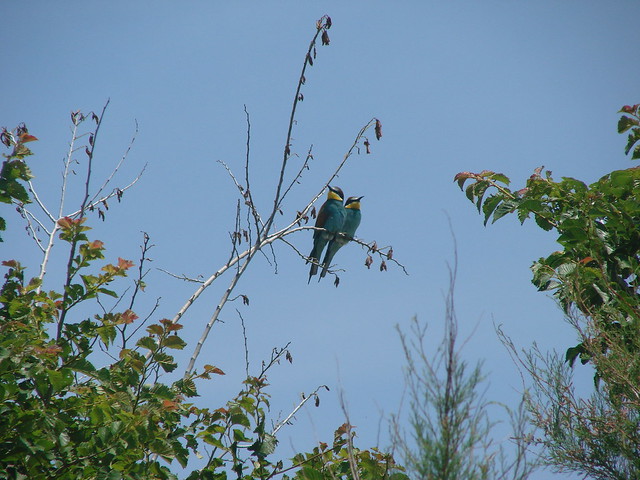
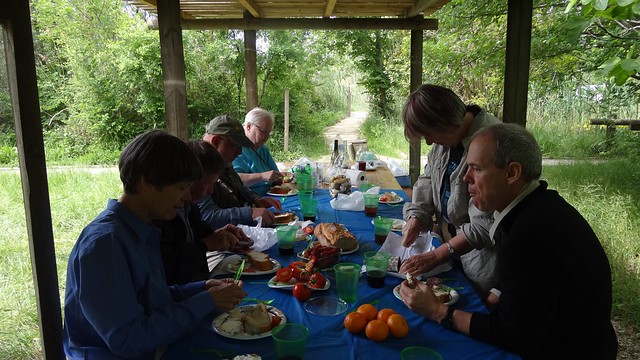
We didn’t indulge in bees, but our own lunch featured excellent cheeses, ham and sausages, strawberries and mandarins, fresh bread, wine and juice, and the best cookies in France—along with a pair of common nightingales going about their business in plain sight.
A quick post-prandial stroll at La Capelière turned up collared pratincole, black-crowned night-heron, and a bright green tree frog so small as to be almost non-existent.

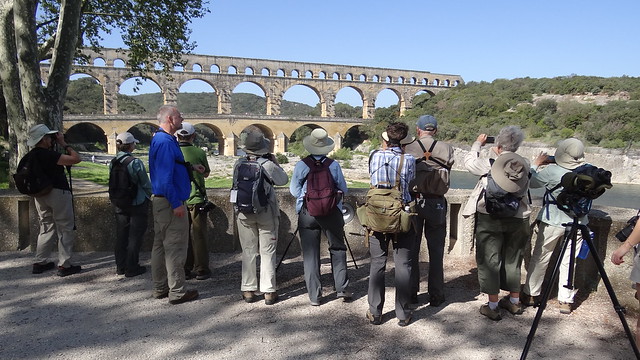
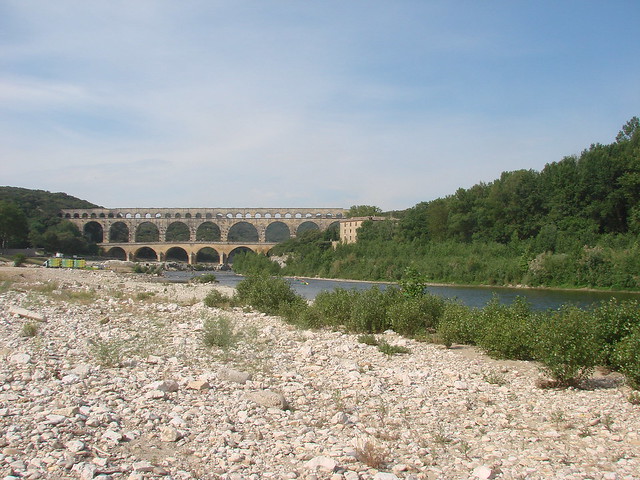
We celebrated with another fine dinner at Le Jardin de Manon, a quick walk from our hotel and voted by acclamation our favorite restaurant in Arles. But the tour wasn’t over yet. The next morning found us on the road to the Pont du Gard, the highest Roman bridge and aqueduct ever built and one of the marvels of architecture and engineering from any period.
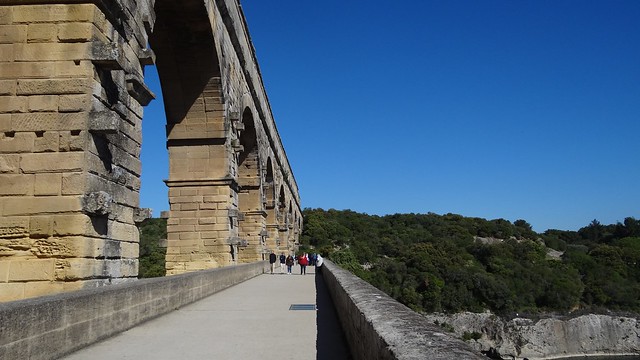
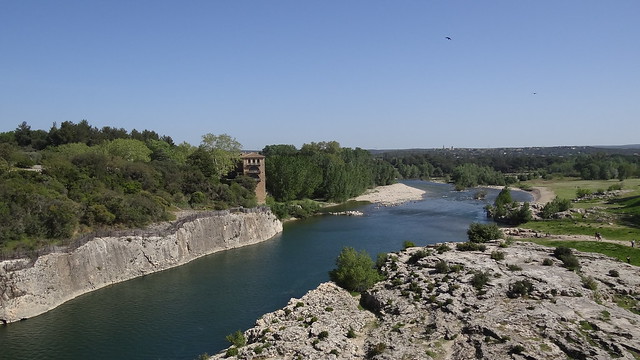
The Pont also happens to be one of southern France’s best birding sites, and it more than lived up to its reputation on this visit. Crag martins and alpine swifts swept past us in the search for insects, and a brilliantly blue common kingfisher hunted the river’s rocky shallows.
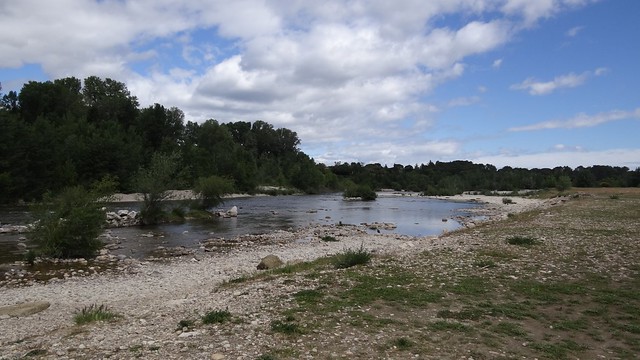
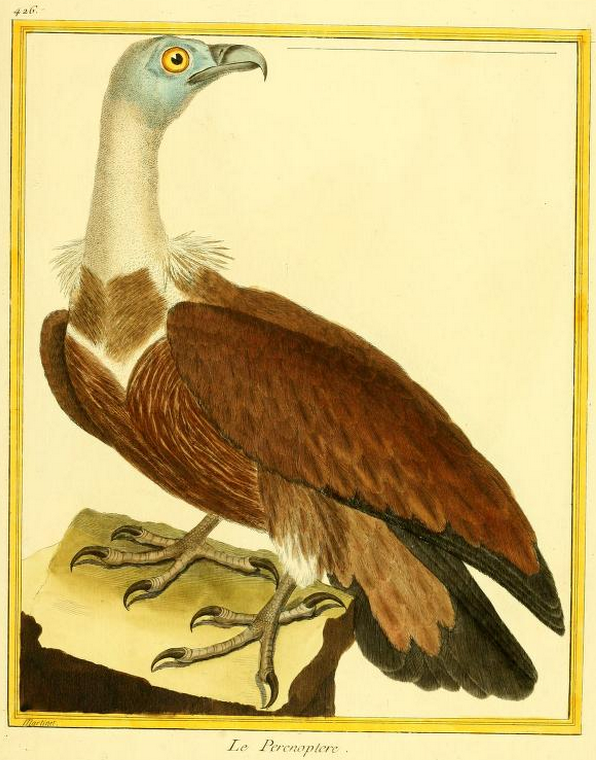
A distant red-rumped swallow was the only individual of that scarce species we saw on our tour. But the best bird, as so often, was the last bird: as we reluctantly returned to the parking lot, a great shadow appeared on the ground, cast by no less a bird than a Eurasian griffon vulture, which passed low over our heads on its way to some unknown destination.
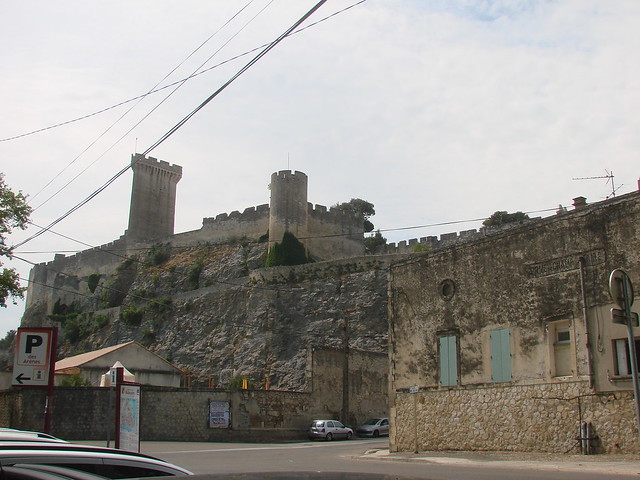
Our own destination was Beaucaire, where we enjoyed a final lunch on the banks of the glistening river before returning to Arles and our packing.
Dinner that evening was festive and the conversation genial, with happy memories already firming up in our minds even as we faced the end of what was a wonderful edition of one of my favorite tours.